‘On a path to recovery’ – a photo journey through Europe’s iconic nature restoration stories
This photo series showcases some of Europe's most cherished natural sites and how local communities, conservationists, scientists and businesses are working at the heart of efforts to bring them back to health.
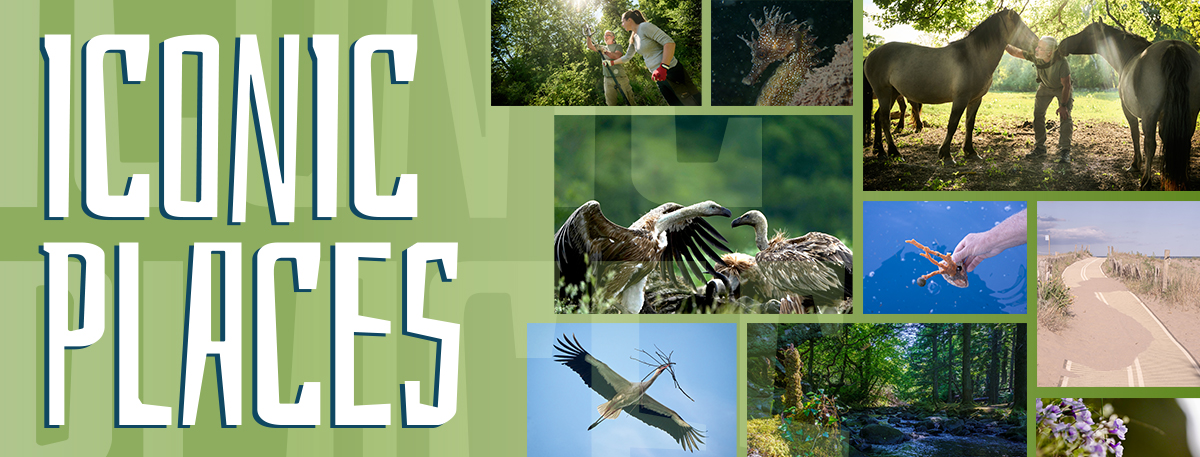
Their work spans habitats across different parts of Europe – from Austria’s floodplain forests grazed by horses, to freshwater stewardship in Ireland’s Lough Guitane, to children rebuilding lost relationships with vultures in Bulgarian borderlands, to fishers, divers and scientists working with other community members to restore habitats for seahorses on the Portuguese coastline.
And it talks, too, about how people work together to give nature the space to rebloom. Together, they show that nature recovery is driven by collaboration and the people working every day to help nature thrive again.
These stories come at a pivotal moment. Following the adoption of the hard-won EU Nature Restoration Law in 2024, countries across the EU are now preparing National Nature Restoration Plans that will guide how ecosystems are restored in the years ahead.
Many of the projects featured here began years before the new law was adopted. They now offer valuable lessons for putting it into practice.
-
Restoring the Morava Floodplain – Austria 🇦🇹
Nestled along the Morava River on the Austrian–Slovak border, the Untere Marchauen Nature Reserve is a remarkable floodplain landscape jointly owned and managed by WWF Austria and a private landowner.
Covering more than 1,100 hectares, the reserve is one of Austria’s most valuable conservation areas. Ancient floodplain forests of willow, poplar, oak, elm, and ash cover two-thirds of the site, while a third is made up of wetlands, swamps, and species-rich meadows. Subtle variations in elevation, soils, and flooding patterns create a rich mosaic of habitats that support exceptional biodiversity.
.jpg)
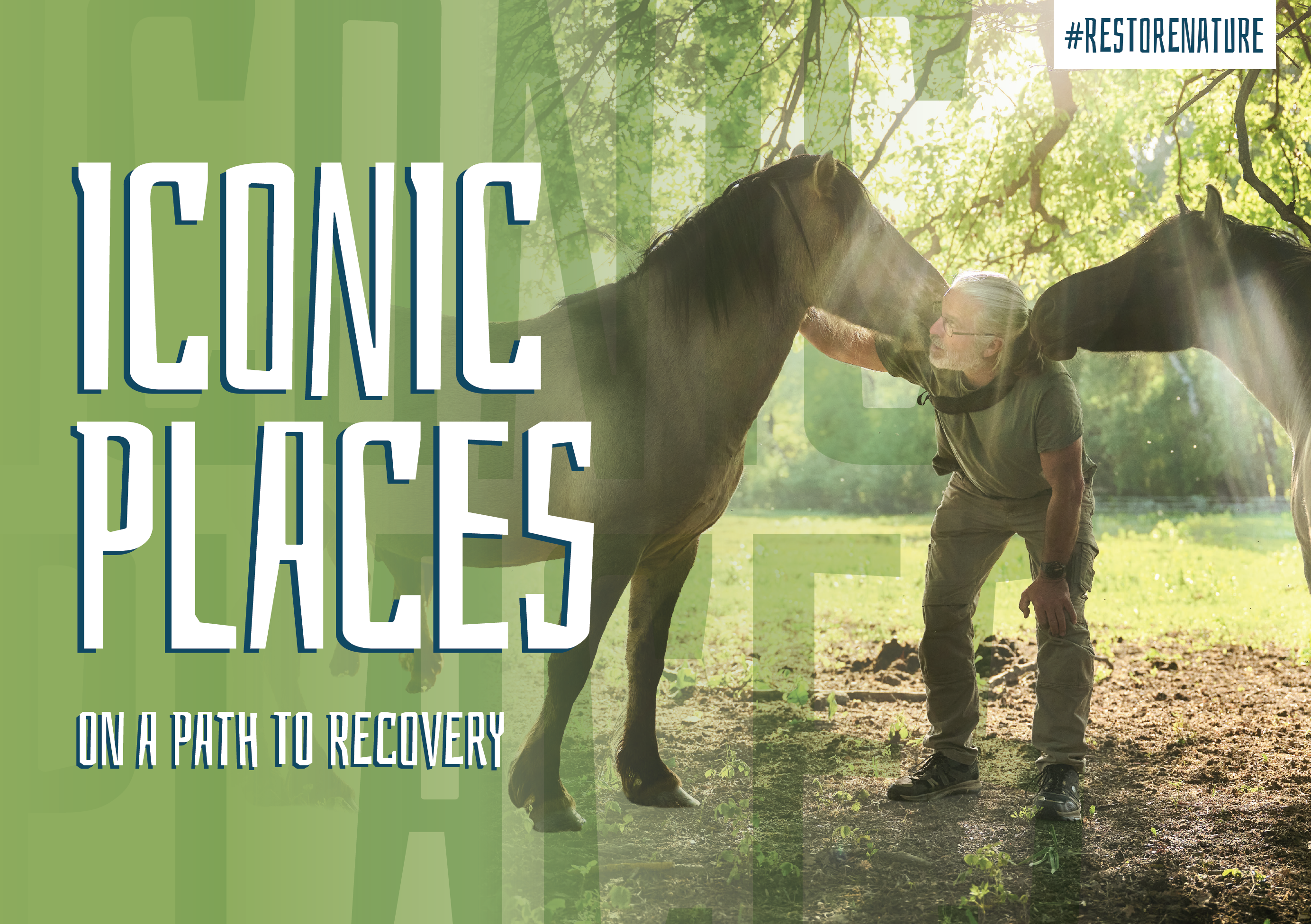
More than a decade ago, WWF Austria reintroduced semi-wild horses and grazing cattle to restore the natural processes that once shaped this landscape.
As ecosystem engineers, these animals graze, trample, and fertilise the land, creating a diverse patchwork of habitats for plants, fungi, insects, birds, and other wildlife. Unlike conventional livestock, the horses remain in the reserve year-round and forage naturally throughout the winter, feeding not only on grasses but also on shrubs, branches, and tree bark. Their presence has triggered a cascade of natural changes across the landscape.
.jpg)
The results have been remarkable. After an absence of nearly a century from the area, large grazers have helped restore ecological dynamics that were once lost. Monitoring shows a significant increase in biodiversity in the reserve.
That includes the return and recovery of rare and specialised species such as dung beetles, which have become increasingly scarce elsewhere in Austria.
Today, the horses and cattle are an integral part of WWF’s restoration strategy, helping to maintain a landscape driven by natural processes. The Untere Marchauen Nature Reserve stands as a powerful example of how people can work with nature to bring back biodiversity and safeguard Europe's natural heritage for future generations.
-
Restoring the borderlands – Bulgaria 🇧🇬
Straddling Bulgaria’s borders with Greece and Turkey lies one of Europe’s least-known biodiversity hotspots. Once part of the Iron Curtain and today the Green Belt of Europe, the Eastern Rhodopes are a place of dramatic change and rich wildlife. At the heart of the region lies the town of Madzharovo.
Set among the remains of an ancient volcanic complex, Madzharovo developed from a network of small settlements into an industrial mining centre during the second half of the twentieth century. After mining activities ceased at the end of the century, people began to leave and the industrial rhythm gradually gave way to nature’s recovery.
Today, the Eastern Rhodopes and the Madzharovo region are among Bulgaria's most important conservation areas. For more than three decades, the Bulgarian Society for the Protection of Birds (BSPB) has been working to bring back this unique landscape. Together with local partners, BSPB restores habitats, reduces threats to wildlife, and strengthens the relationship between people and nature.
.jpg)
Among the main activities are the conservation of threatened species such as the Egyptian Vulture, the restoration of key ecological relationships, the reduction of poaching and the use of poisoned bait, and the improvement of coexistence between people and wildlife.
One of the initiatives is the Vulture School where vultures born in captivity are prepared for life in the wild. Before their release, the birds are fitted with satellite transmitters, while children from local schools choose their names and symbolically become their guardians.
Local communities and traditional livestock farming play an important role in supporting these conservation efforts. Today, the Eastern Rhodopes are also attracting a new generation of residents and entrepreneurs who choose to build their lives closer to nature.
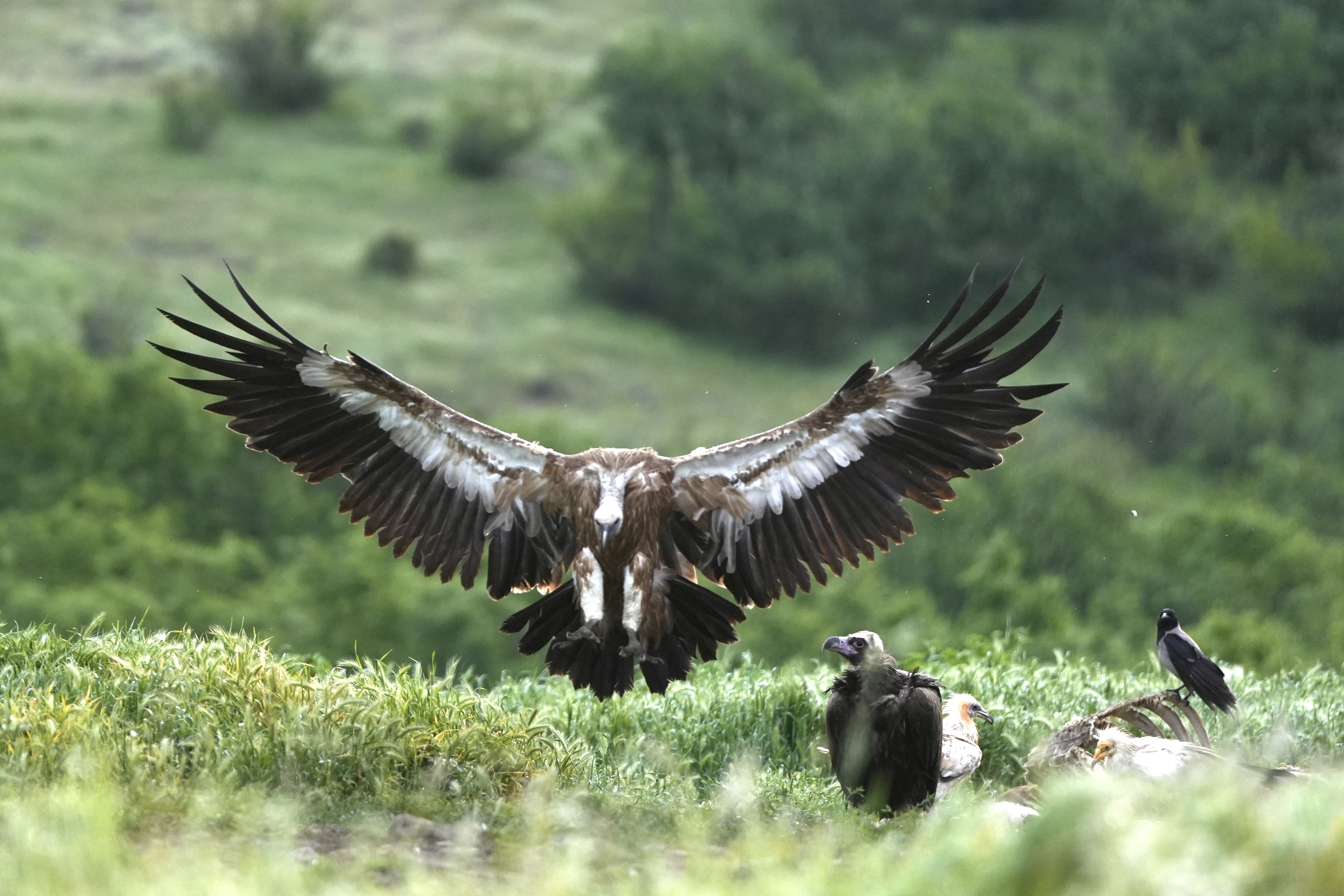
Work is underway to include this unique region in Bulgaria's Nature Restoration Plan in line with the EU Nature Restoration Regulation – a step that would ensure its long-term management and conservation. The story of the region, however, goes beyond the scope of a single conservation project. It is a story of resilience, coexistence, and hope. It is a story whose significance reaches far beyond the borders of a single country.
-
Restoring Lough Guitane – Ireland 🇮🇪
Lough Guitane is one of Ireland's most important freshwater ecosystems, supplying drinking water to around 62,000 people across County Kerry.
Nestled within a catchment of peatlands, rivers, wetlands and upland habitats, the lake is renowned for its clear waters and exceptional natural beauty. For generations, its waters have sustained wildlife and the communities that depend on it.
Yet, like many freshwater ecosystems across Europe, this remarkable lake is facing growing pressures. Climate change, habitat degradation, invasive species, erosion and extreme rainfall events are threatening the natural systems that help maintain water quality and ecological health.
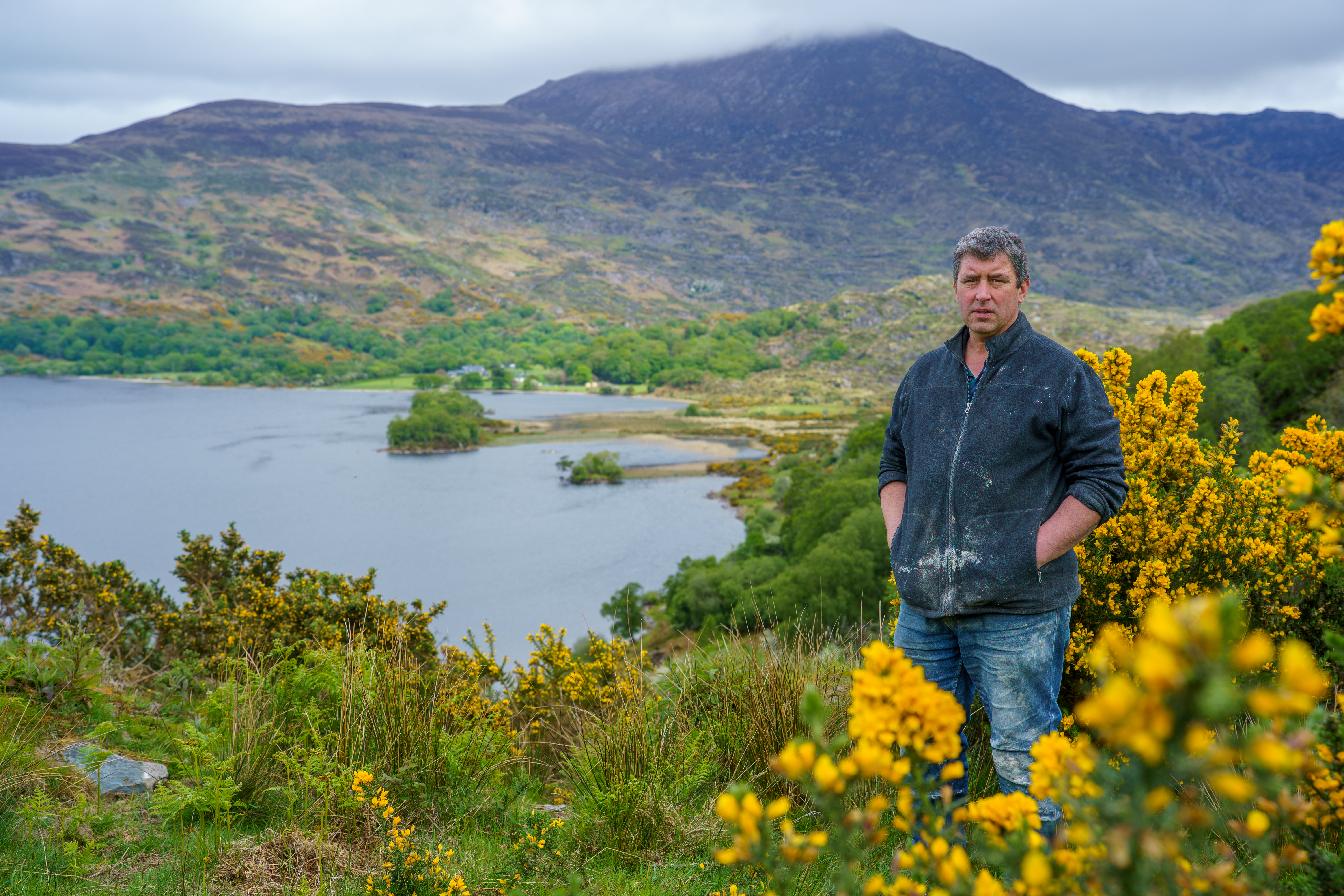
The health of Lough Guitane is closely linked to the health of the surrounding landscape. Peatlands store carbon, regulate water flows and reduce erosion, while riverside habitats and native woodlands help filter pollutants and provide refuge for wildlife.
But scientific research shows that extreme weather events can disrupt these natural processes for months – underscoring the importance of nature restoration in a changing climate.
.jpg)
Across the catchment, scientists, conservationists, educators, landowners and local communities are working together to protect this extraordinary lake.
They are combining their knowledge to better understand the challenges facing Lough Guitane and develop practical solutions. At the same time, their work is inspiring a new generation to value and care for the environment.
As an iconic place to restore, Lough Guitane is more than a beautiful landscape. It is a powerful example of how restoring nature can secure clean water, thriving biodiversity, healthy ecosystems and resilience to a changing climate for generations to come.
-
Voices of restoration on the Costa Brava – Spain 🇪🇸
In Spain, only a small proportion of protected habitats are currently in good conservation status. Coastal wetlands have been systematically drained, developed and polluted, while marine ecosystems have been degraded by overfishing, pollution and habitat destruction.
Yet, a growing number of ecological restoration initiatives are challenging the idea that environmental degradation is irreversible.
On the Costa Brava, in northeastern Spain, two projects funded through the European Union’s LIFE programme offer a glimpse into this positive transformation.
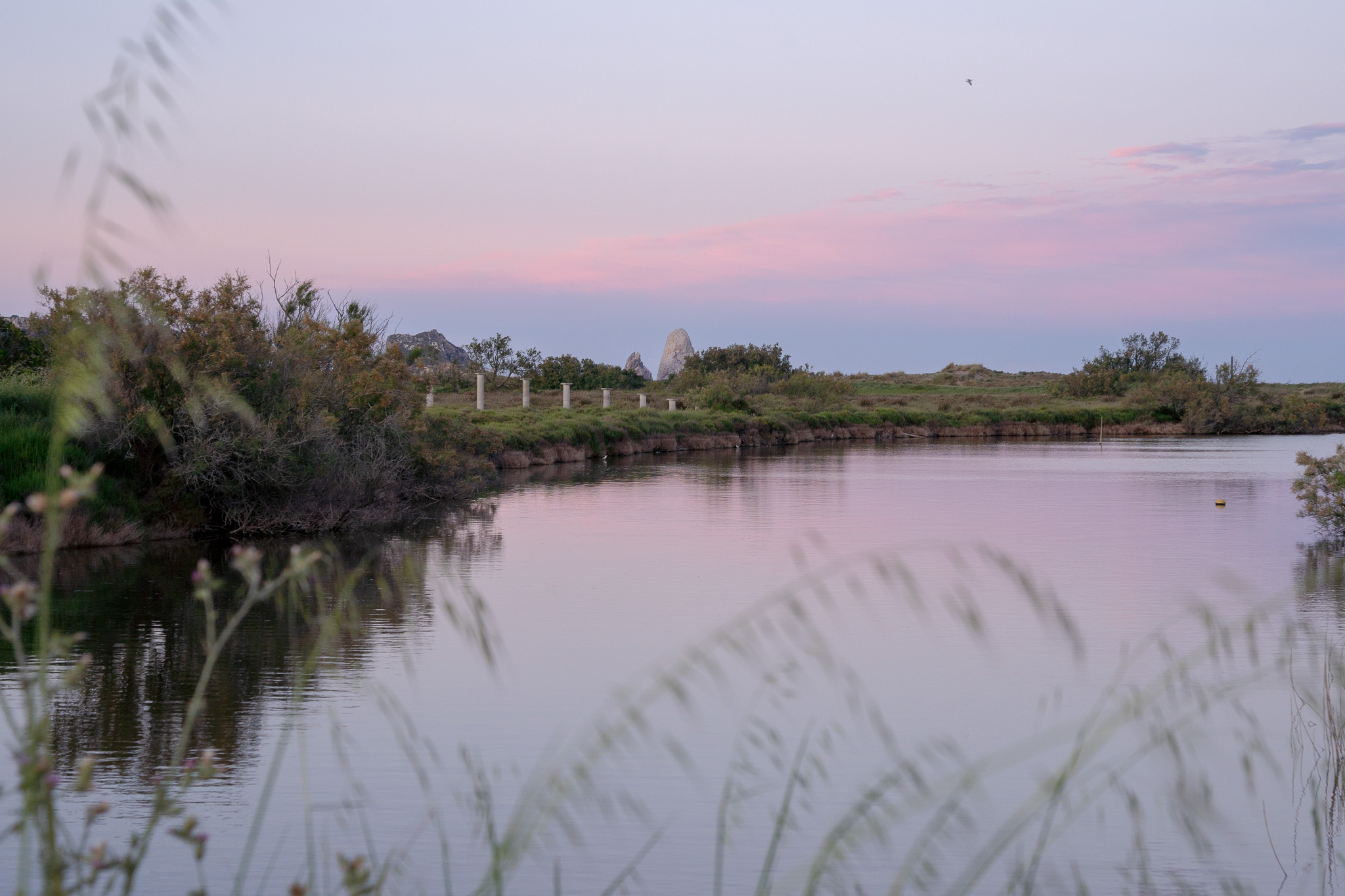
In the Pletera marshes, an unfinished coastal development has been dismantled and converted into a system of coastal lagoons, restoring ecological processes and a landscape that can once again be enjoyed and inhabited by both wildlife and local communities.
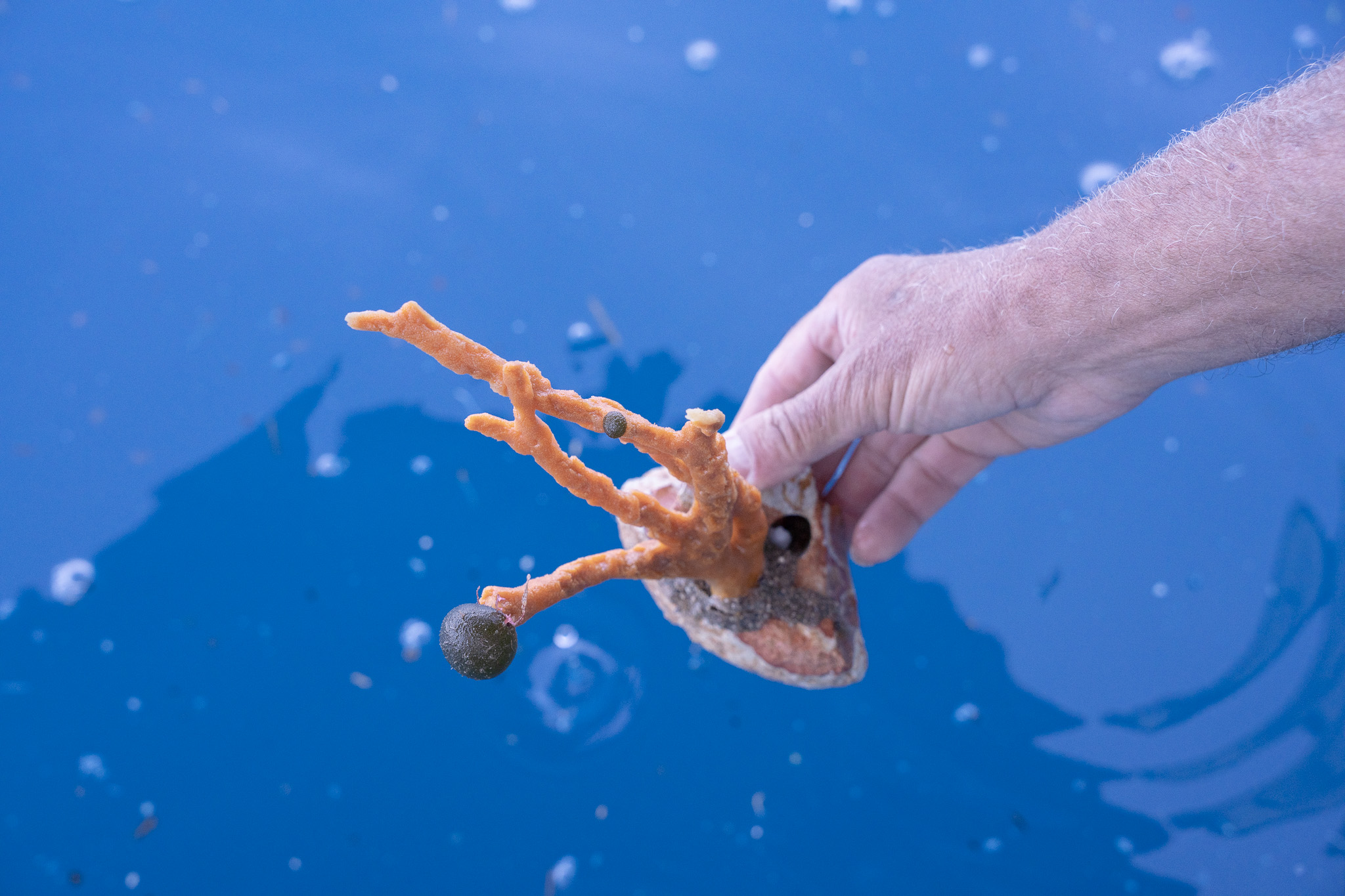
Offshore, the LIFE Ecorest project is working to restore vulnerable Mediterranean marine habitats, including corals, gorgonians and sponge communities through collaboration between fishers, scientists, environmental organisations and public authorities.
Together, these initiatives show that restoration is more than an intervention on ecosystems. They demonstrate how degraded landscapes can become spaces of cooperation, where local communities, researchers, and institutions build new relationships with nature.
They also raise questions that resonate across Europe: how can societies repair ecosystems damaged by decades of development? What role should public investment play in biodiversity recovery?
Through documentary photography, this project explores these questions by following the people and places involved in restoration efforts along the Costa Brava, documenting not only environmental recovery but also the social transformations that accompany it.
-
Restoring seahorse habitat – Portugal 🇵🇹
Just outside Lisbon, Portugal, lies the Tagus Estuary, one of Europe’s most important coastal wetlands.
The estuary supports rich seagrass meadows and a wide diversity of marine life, including dolphins and sharks. It provides essential ecosystem services for surrounding communities that depend on clean water, fisheries, and a healthy coastal environment. The area is also an important tourism destination.
The estuary is home to a very special inhabitant. Head resembling that of a horse, a body that looks like natural armour, and a curled tail that serves as an anchor. From this description, one might think of a mythical creature. Yet, it is a fish species: the seahorse.
Two protected species are found in the estuary, Hippocampus hippocampus, the short-snouted seahorse, and Hippocampus guttulatus, the long-snouted seahorse. That makes the area one of the most important seahorse habitats in Europe.
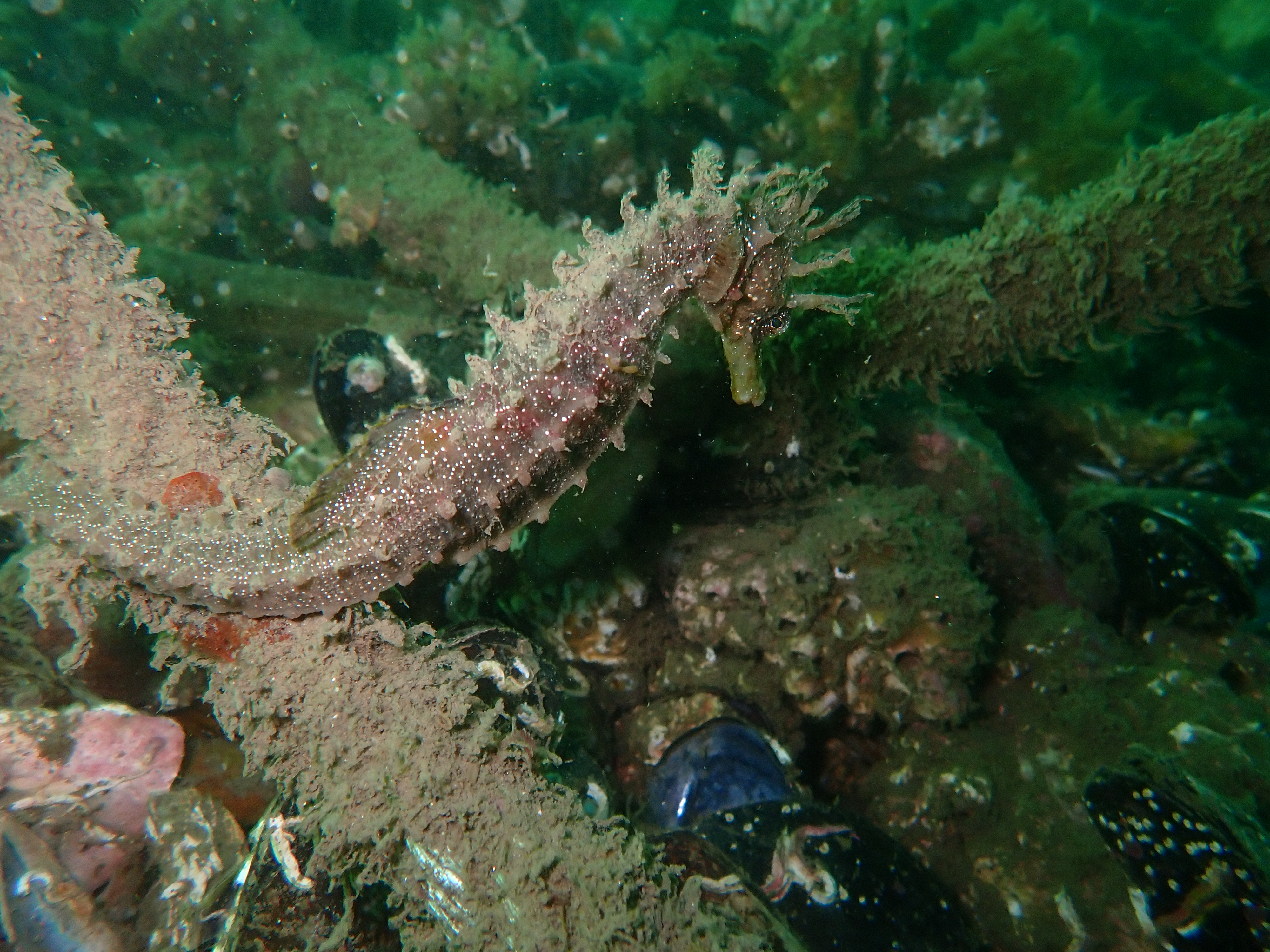
Within this landscape lies Trafaria, a small fishing village, where generations have lived from the sea. Fishers have long known of the presence of seahorses in these waters and it is perhaps no surprise that the species has become a local symbol. Today, any individual accidentally caught in nets is carefully returned to the water.
But this incredible place is under pressure. Seagrass habitats have declined, pollution and marine litter affect water quality, and natural shelter areas are increasingly scarce.
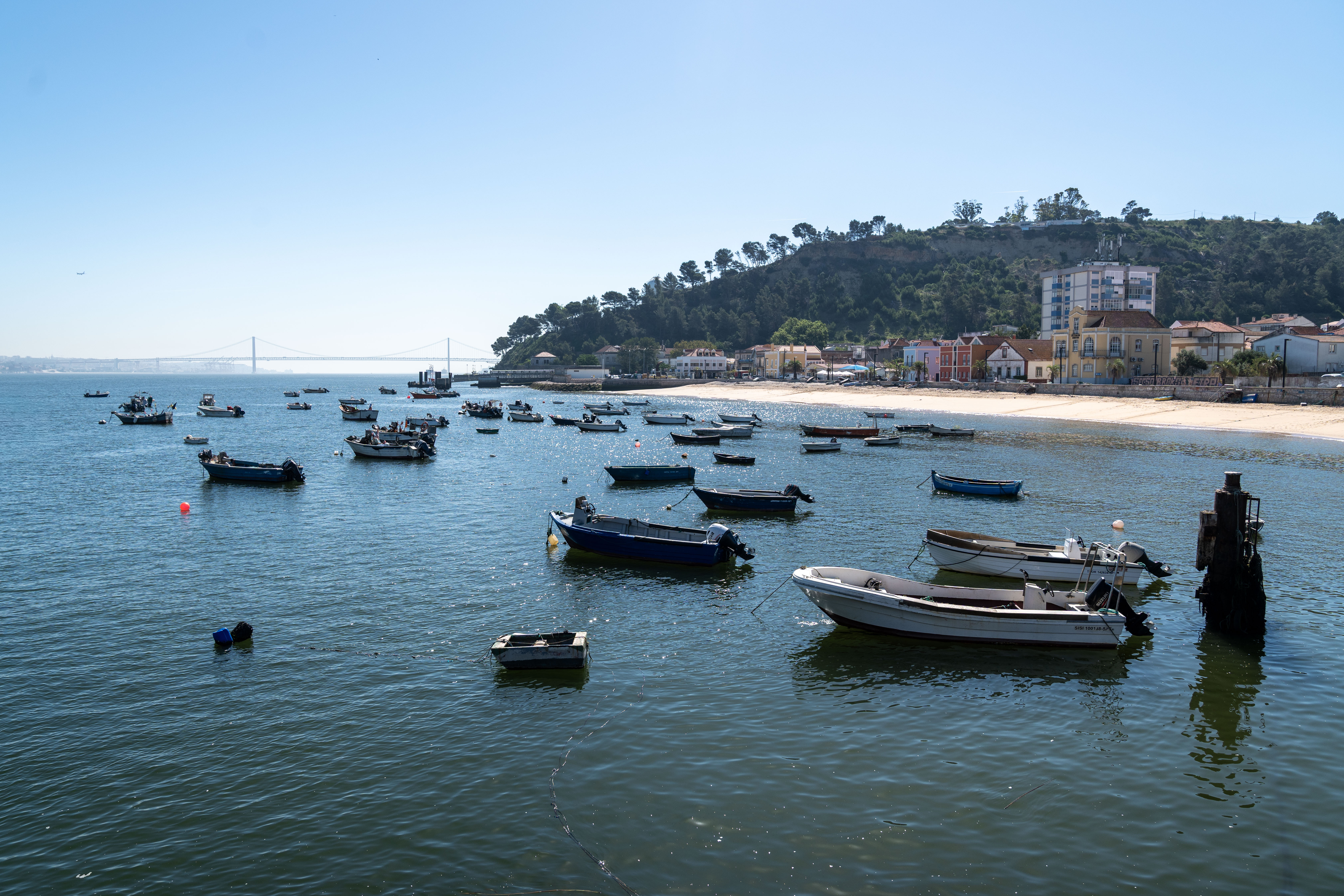
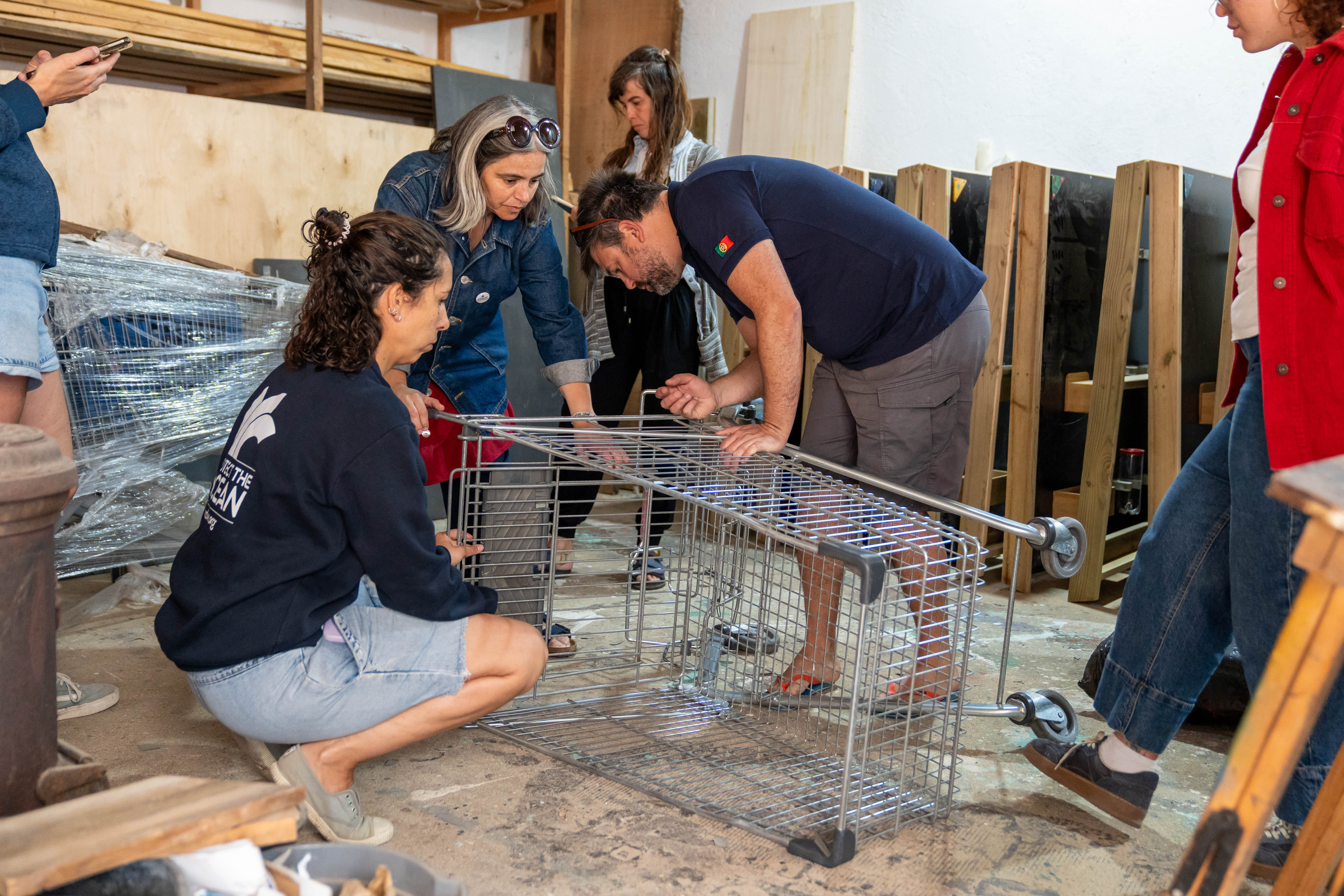
To help restore the landscape, WWF Portugal is implementing restoration actions as part of the D-EVOLUÇÃO initiative. The first phase introduces artificial refuge structures on the seabed, designed by marine biologists and built with local community involvement. These structures will be monitored to understand how marine life responds and uses the restored habitat. A second phase will focus on removing marine litter with minimal disturbance to sensitive ecosystems and support the gradual recovery of natural conditions.
Together, these actions aim to make the estuary healthy again and reinforce the connection between local communities and the marine environment on which they depend.